Solar Powering The Farm
Growing up part time in my family’s home on No Name Key I learned about the benefits of solar power from a young age. For many years, our home was fully off grid because No Name had no power, water, or sewer utilities. Our electricity came from a solar system that collected power from the sun and stored it in a series of batteries sitting side-by-side downstairs. We collected rainwater off our rooftop and stored it in a huge cistern that also served as our front porch. Sewage was stored in an on-site septic tank. That lifestyle led me to learn important lessons about conservation, sustainability, and the necessity of protecting (and respecting) our natural environment.
No Name, a remote 1,000-acre off grid island in the lower Florida Keys that’s home to about 40 solar powered homes, inspired me to want to power my own home with solar one day and with that in mind I am excited to share that that day recently arrived when the installation of my brand-new solar power system was completed. My home, something that I call “The Farm” because of its long history as an orchard, is a nearly 100-year-old farmhouse within Miami-Dade’s urban core whose yard is covered with mature mango, avocado, and banana trees. Energizing my home with solar power allows me significantly reduce my carbon footprint, eliminate most of my commercial power bill, and sell my excess energy (a process called net solar metering) back to my electrical utility (FP&L) to help reduce its carbon footprint.
With those goals in mind, over the past year I’ve sought competitive quotations, met and negotiated with contractors, revised the system’s specifications, selected a contractor, obtained the required building permits, worked with my local power company to connect my solar system to their equipment, and, most recently, oversee the system’s installation before having the permits and required inspections finalized and closed to officially make The Farm a solar powered home.
I am going to share a few of the details related to my solar power journey, selections and reasoning with you but before I do that I’d like to make one thing clear: despite often being asked to promote one thing or another over the years, I’ve long avoided endorsing products or businesses for ethical reasons. My philosophy has not changed but in order to provide you insight into what I did, with whom, and why, I will be mentioning some of businesses and products that I selected. Your system, needs, and use will certainly differ from mine, so please take that into consideration.
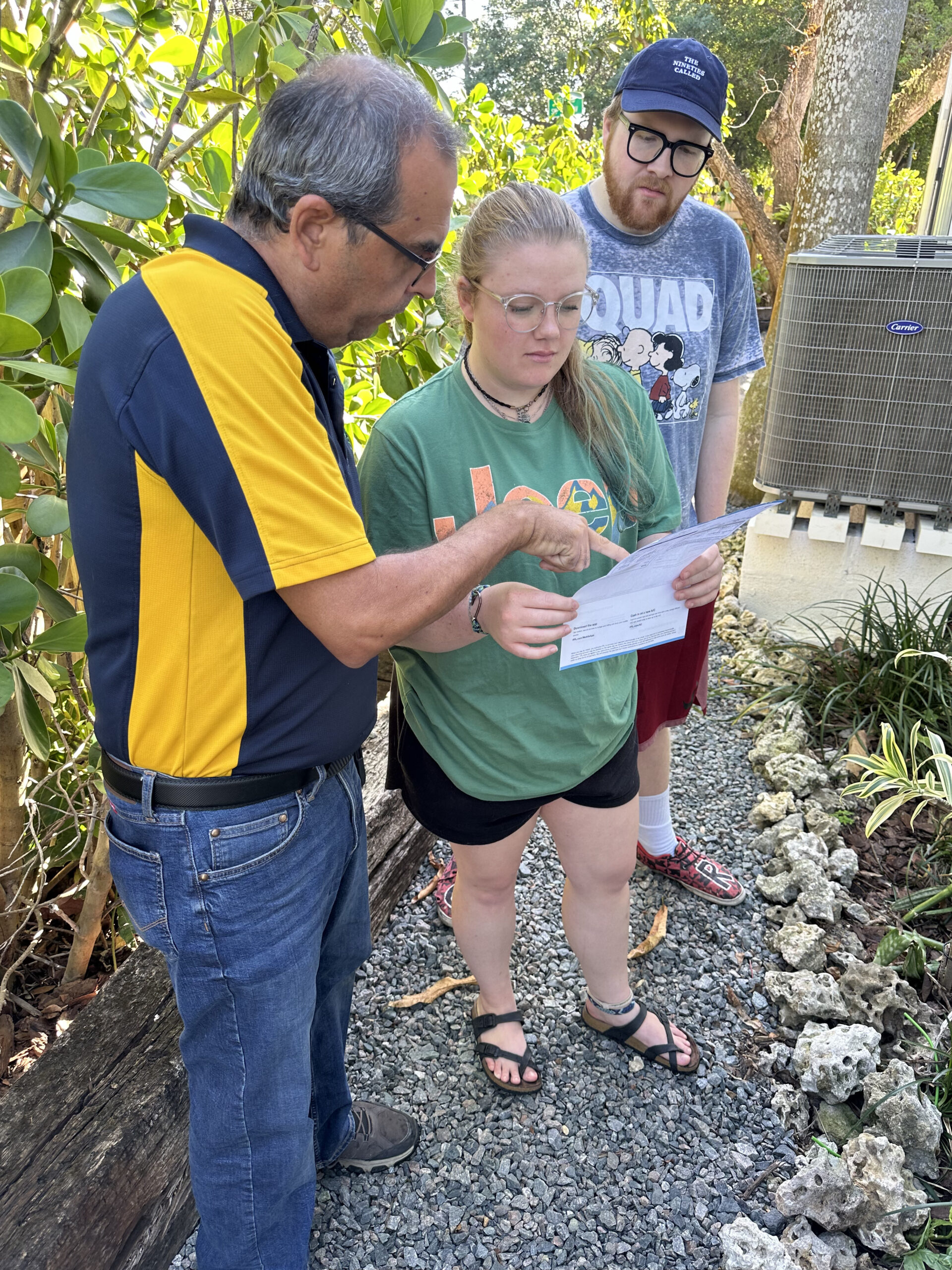
Ultimately, I decided to engage my long-time friend and solar provider, Raul Vergara of Cutler Bay Solar Solutions, for my system design, equipment, and installation. Raul, Eduardo, and the team at Cutler Bay Solar helped me and my family on several projects over the years including the installation of a solar system at my middle/high school, my brother’s innovative solar car concept (The Apollo Project), and, more recently, the installation of a large-scale solar system at the University of Miami. While I know a lot about solar power after being around it for two decades, I am no expert, so it was important that I selected experts that I trusted. That’s an important suggestion for you, should you ever decide to install your own system.
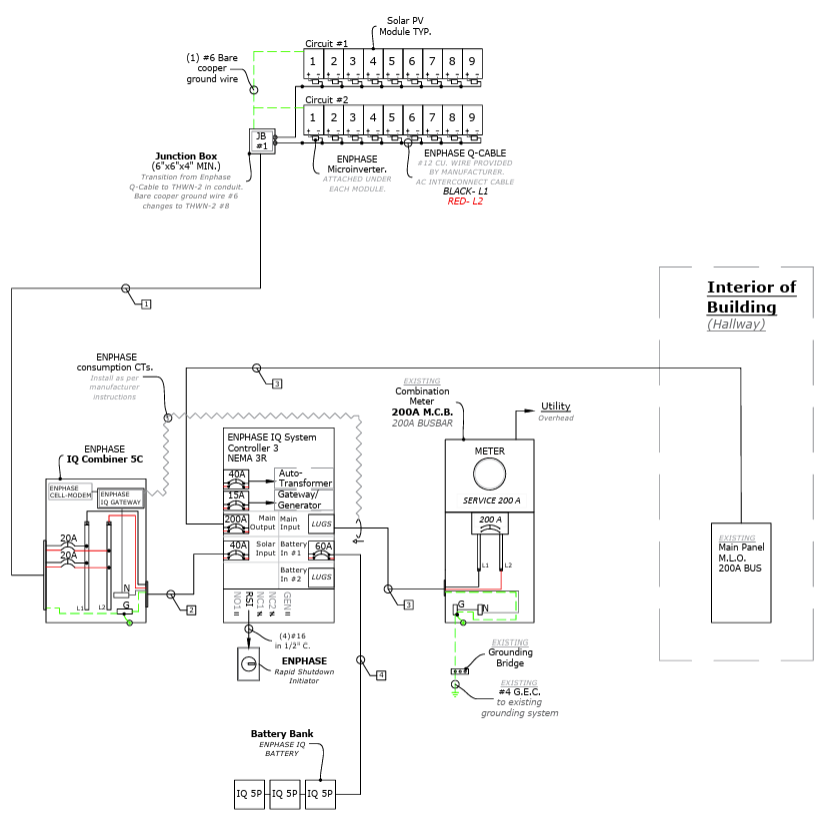
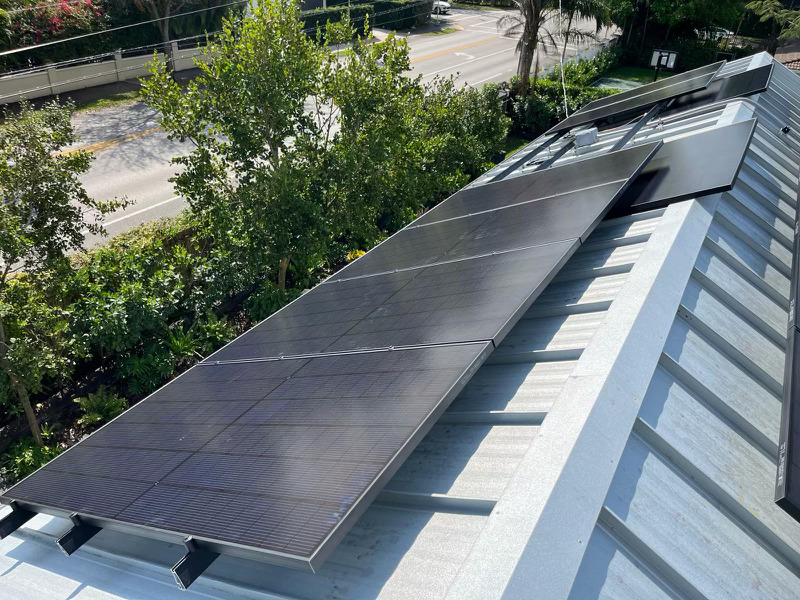
In my case we designed a 7,000 kilowatt hour (kWh), 18 panel system capable of fully powering my home including its appliances and central air conditioning. To collect the sun’s energy, I selected the highly regarded Meyer Burger Black panels, each capable of producing between 375-395 watts, and subject to a 25 year warranty. To illustrate some of the rapid advancements in solar power equipment in recent years, it’s interesting to note that our No Name home’s solar panels each produce about 250 watts versus my new ones at nearly 400 watts. Each panel is attached to my metal roof via an Ironridge XR Photovoltaic Panel Racking system.
 |
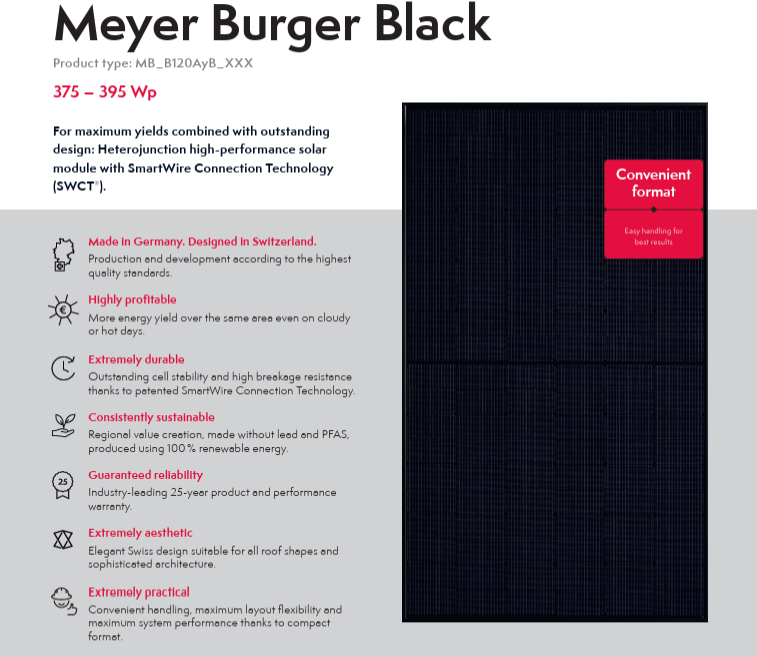 |
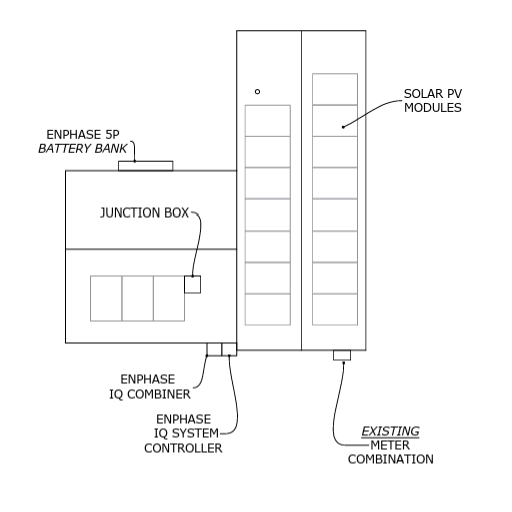
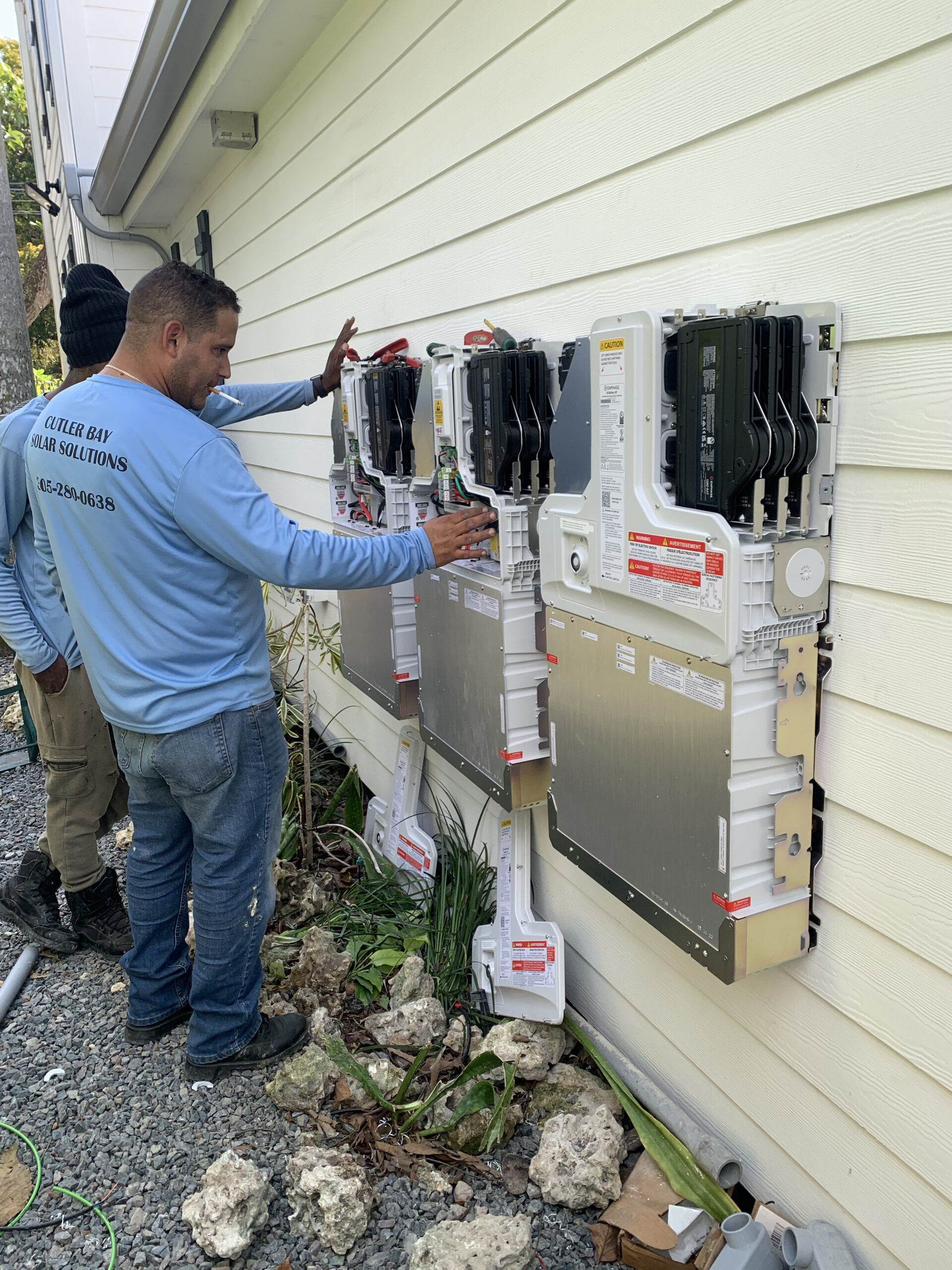
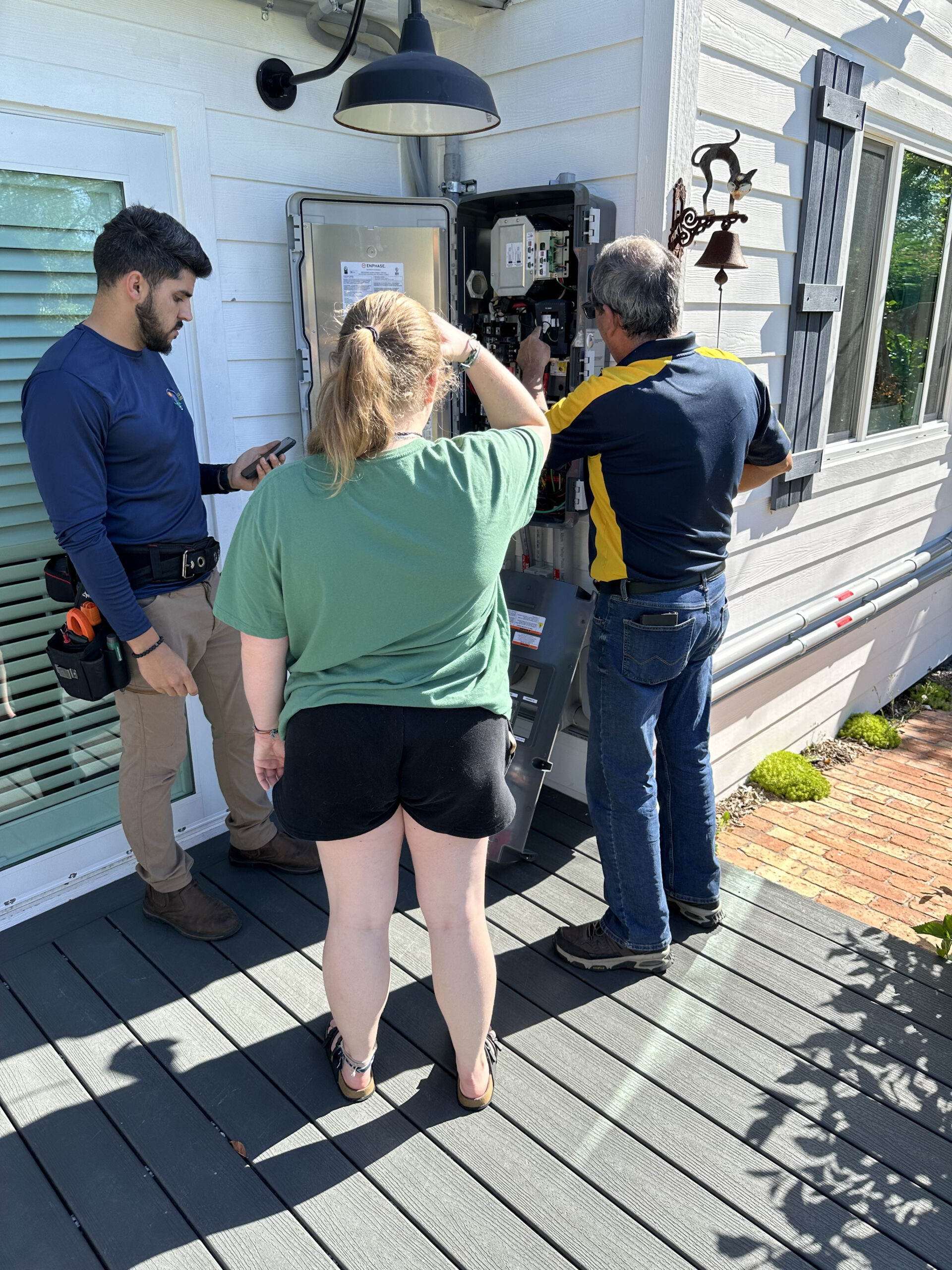
The control system (essentially the “brains” of the entire solar system) that I selected is the Enphase IQ System Controller 3, hardware that connects the power my solar panels generate to my home and back-up batteries while also effortlessly interacting with the electric utility to either pull supplemental power from it, should I occasionally need more energy, or sell my excess power back to FP&L when I produce more power than my home needs.
 |
 |
 |
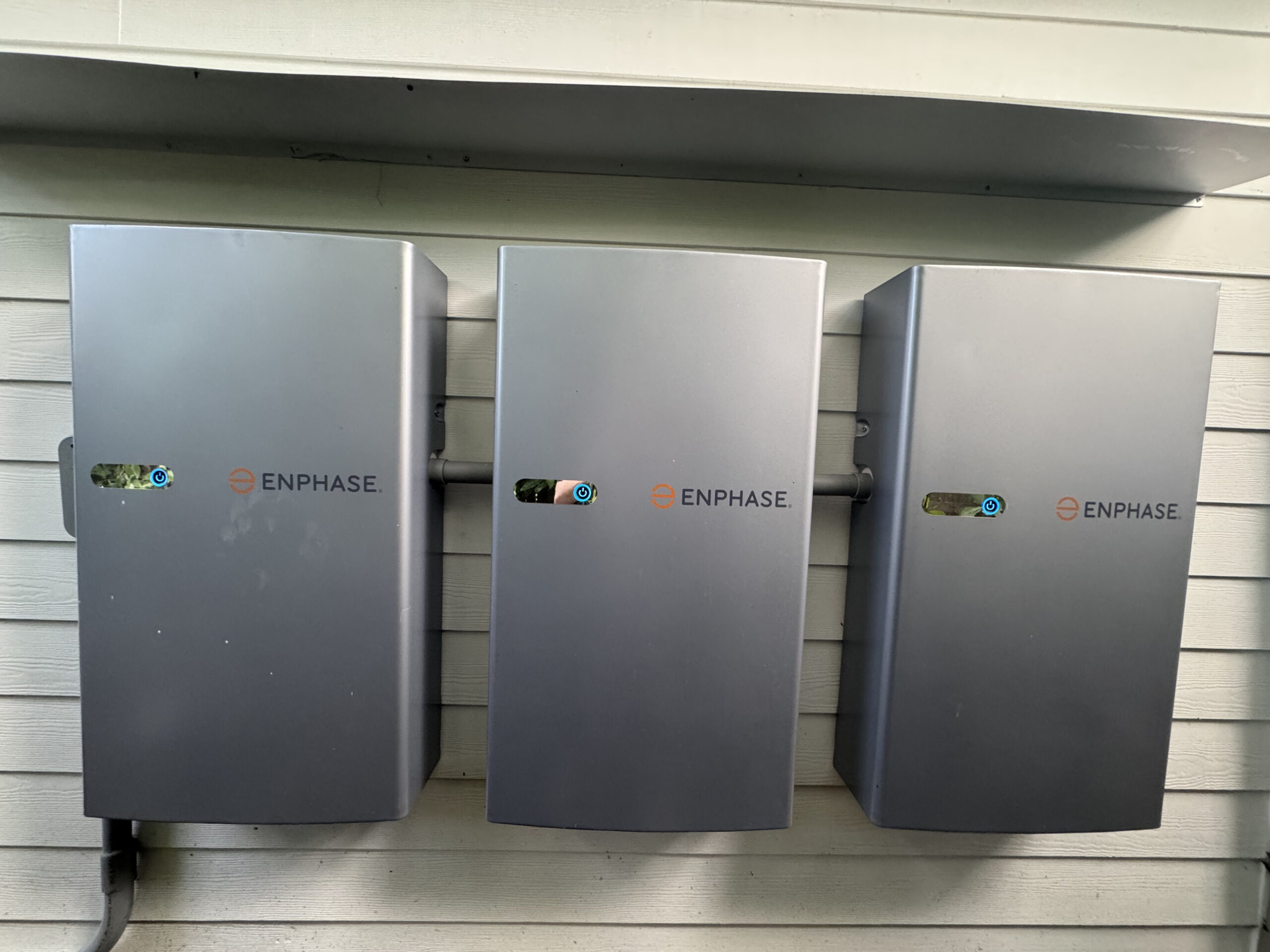
An important consideration for my new system was its back up batteries. I wanted a system that would power my home at night or on days without peak sunlight, so a robust battery system was essential. Since I live in hurricane-prone South Florida, a region notorious for losing power for weeks or more following large storms, I wanted my power system to act as a clean back-up generator. For these reasons I selected a string of three Enphase IQ 5P Batteries which are mounted on the exterior of my home, one next to another. Each battery is capable of storing about 5 kWhs of power (thus 15 kWhs in total) and enjoy a 10 year manufacturer’s warranty.
I am happy to share that everything from the installation, the conversion from the local utility to generating my own power, the impressive digital connectivity I now enjoy to my home’s new system, and all else went perfectly. My monthly electrical expenditure has also all but disappeared and, most importantly, so too has the pollution my home was previously responsible for as a result of me needing to buy power from an electrical utility that generates most of its power from the fossil fuels that are warming our planet. Yep, for so many reasons, solar powering The Farm here in the Sunshine State sure feels good and is most certainly a dream come true.