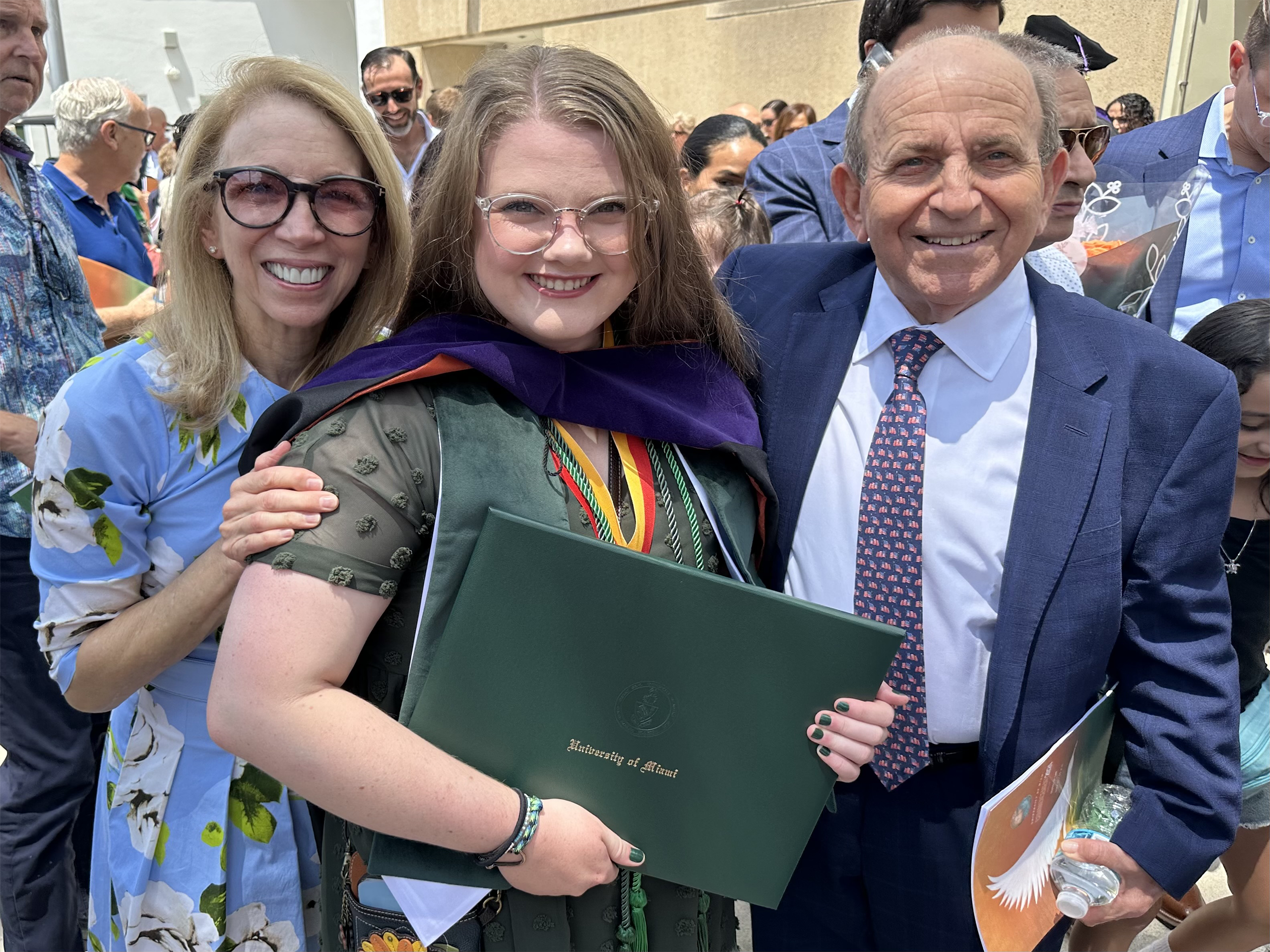
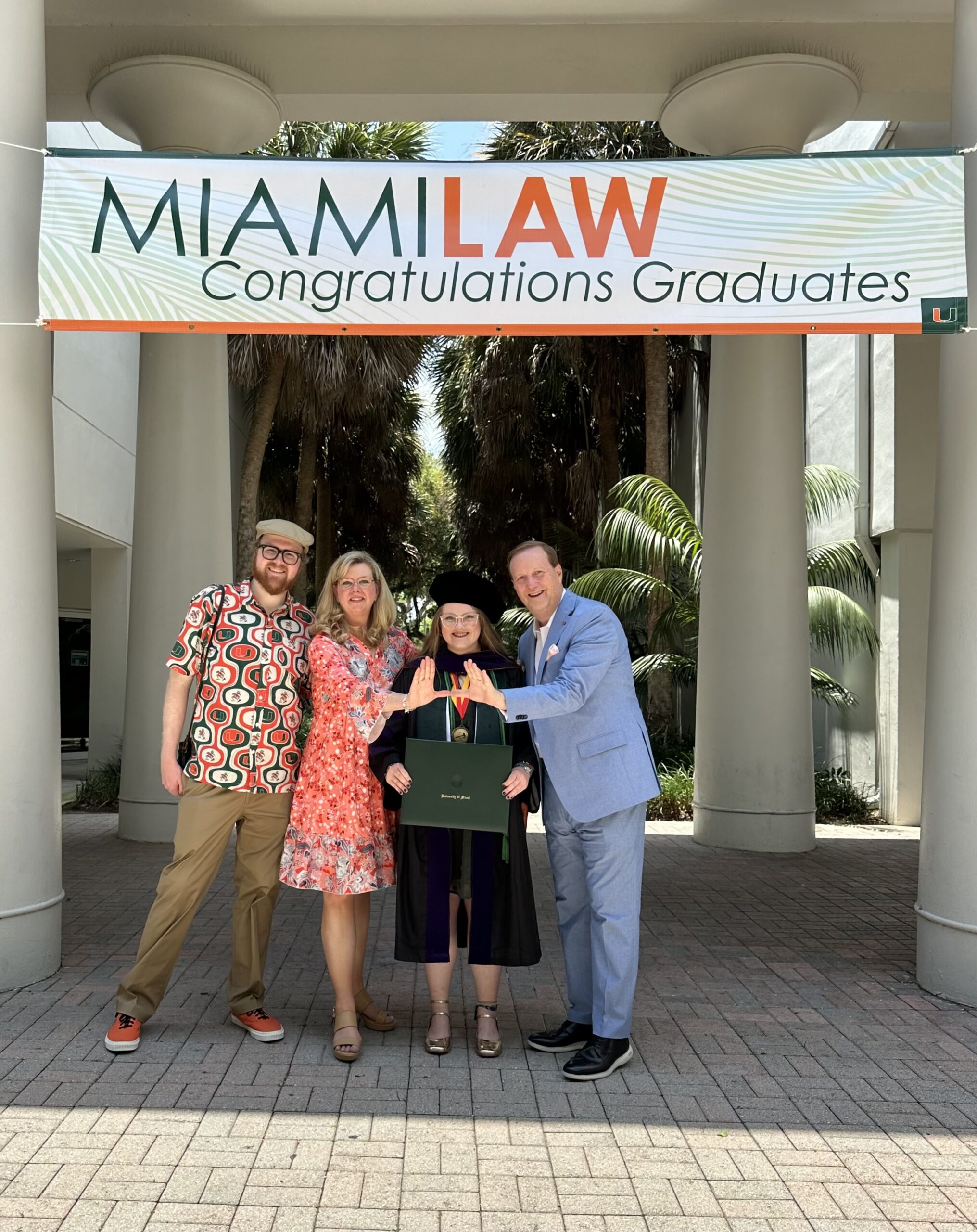
An Inspiring Legal Education

When I decided to apply to the dual degree graduate program through the Abess Center for Ecosystem Science and Policy here at the University of Miami to pursue my law degree and a Ph.D., I honestly had no idea just how inspirational my legal education would be. Like most prospective law students I anticipated spending endless hours each week reading countless law textbooks and cases and writing legal briefs, and while all of that was a significant part of my studies, I could never have anticipated the amazing hands-on experience that the School of Law provided as I traveled all over Florida and the world beyond.
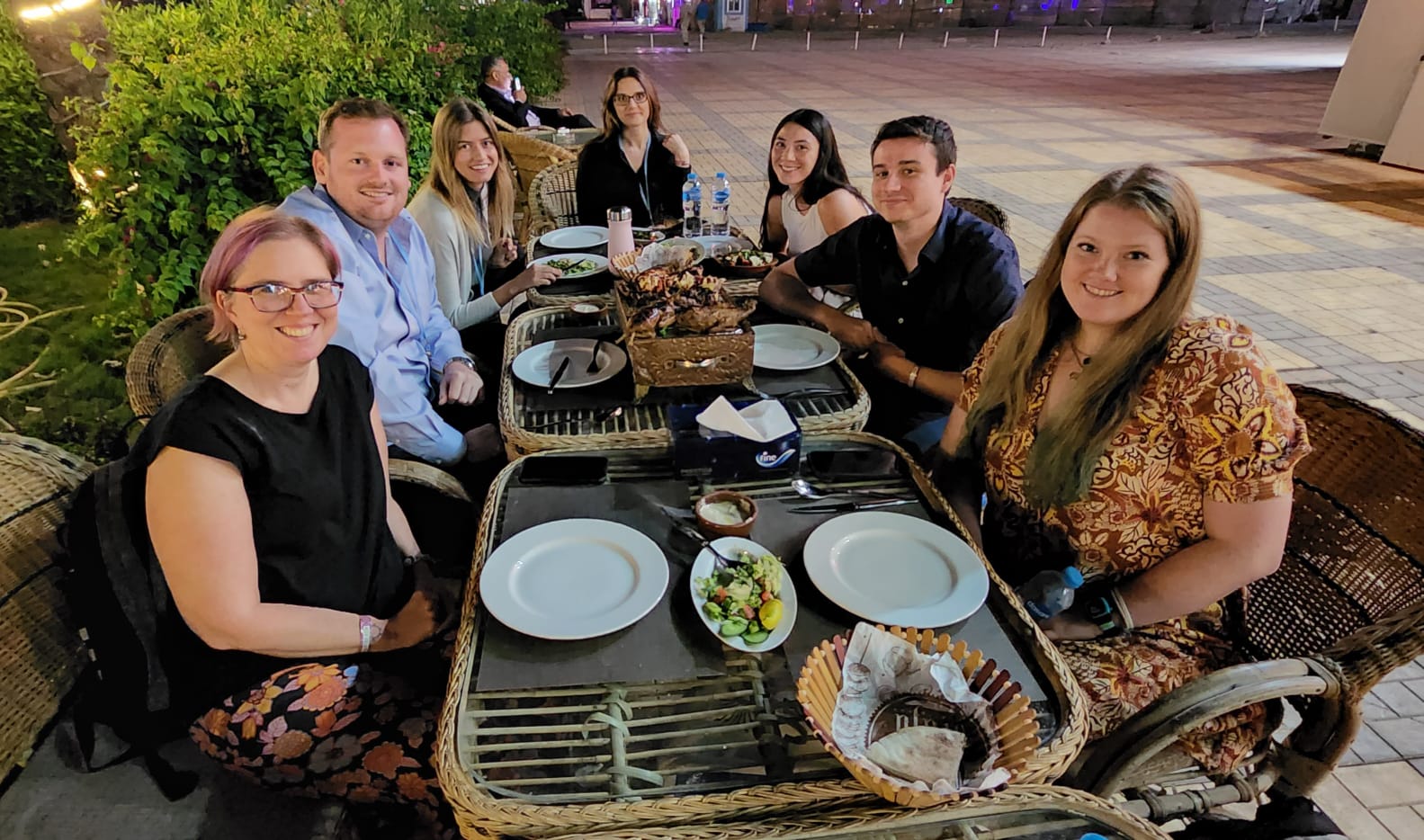
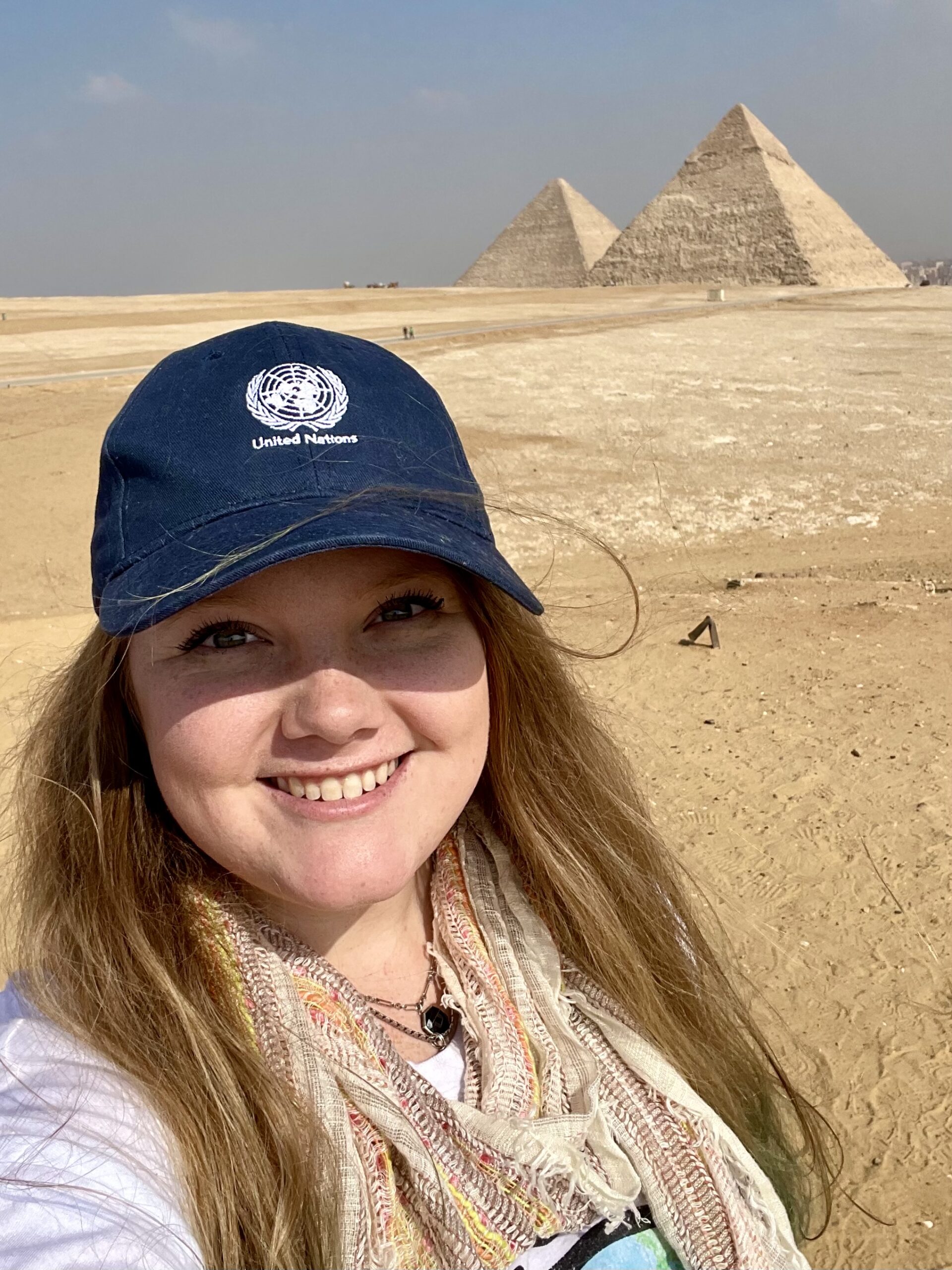
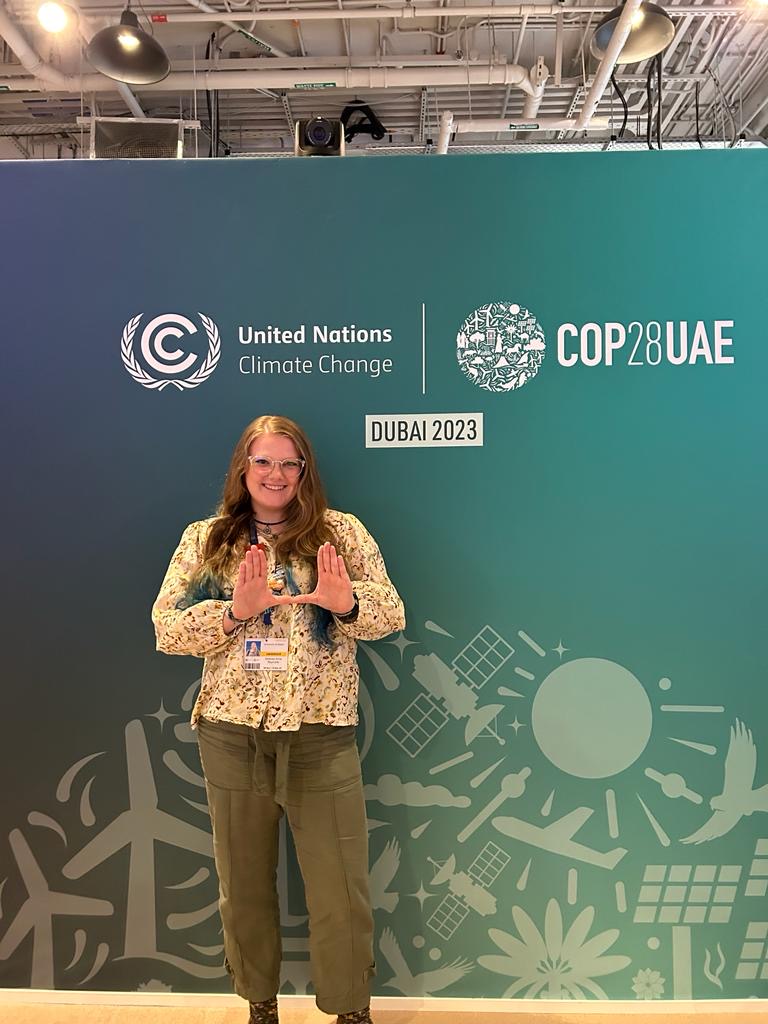
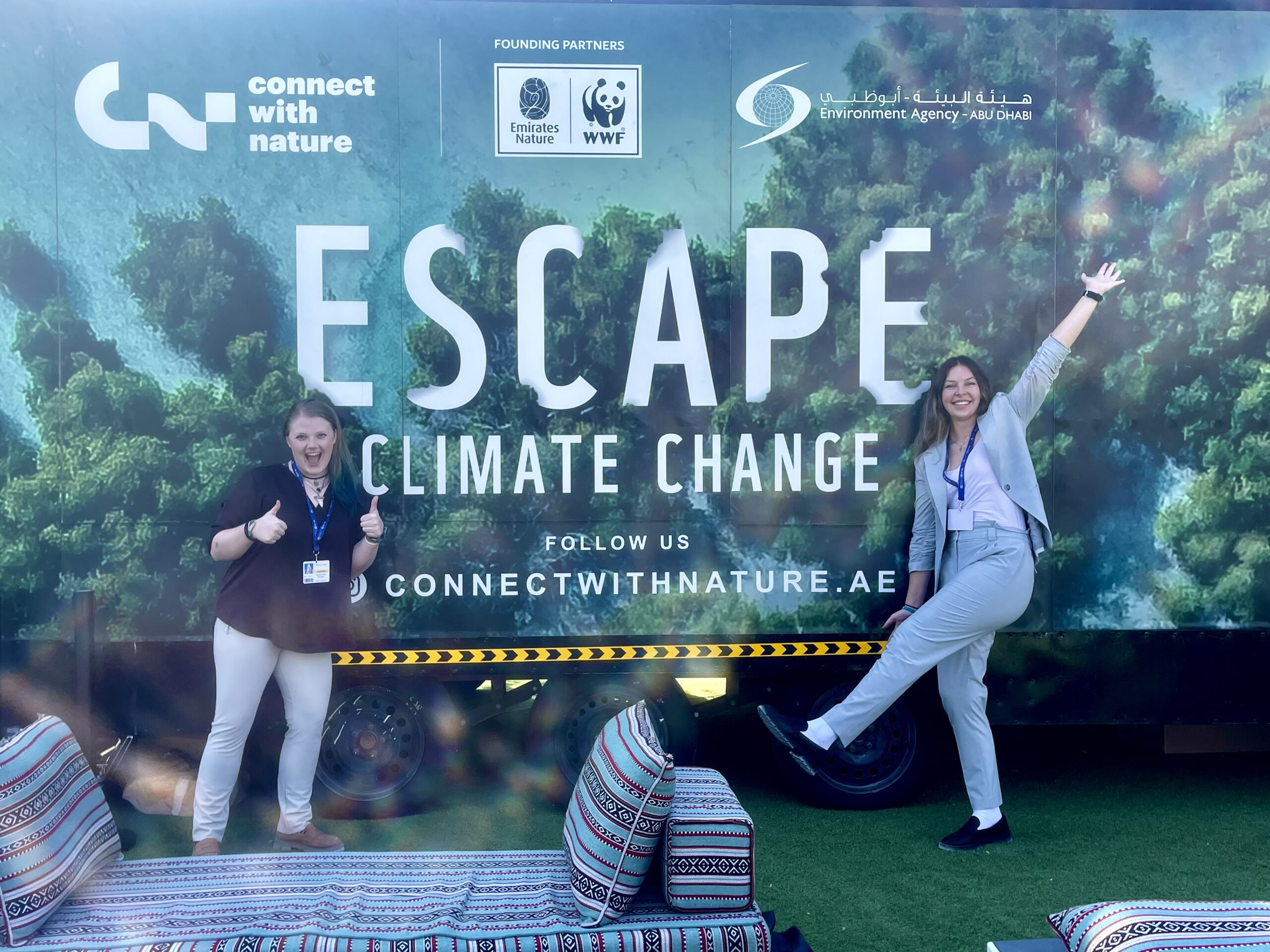
I mean, where else can a young law student deeply interested in the world’s climate crisis and our environment be selected to attend the United Nations’ annual Conference of the Parties (aka COP) meetings as part of their education by traveling to the far corners of the world, Egypt in 2022 and then Dubai in 2023, the latter of which while acting as the Head of Delegations? Just amazing, life changing experiences.

The words “thank you” are simply insufficient for my gratitude towards Dr. Jessica Owley not only for selecting me to participate in these incredible educational experiences, but for leading so many of the environmental courses that I enjoyed during my time on campus. I also owe her a special “shout out” for hosting an environmental symposium at the School on Earth Day in 2022 where my friend and famed environmental constitutional lawyer Andrea Rogers and I talked about my historic 2018 climate case, Reynolds v. Florida, and her impactful work at Our Children’s Trust when I was just a 1L (22-year-old first year law student) or, for that matter, recently awarding me the Inaugural University of Miami School of Law Environmental Writing Award.

Dr. Owley, thank you for being such a powerful supporter of my work and an inspiration as a lawyer, doctorate, academic, professor, and woman.
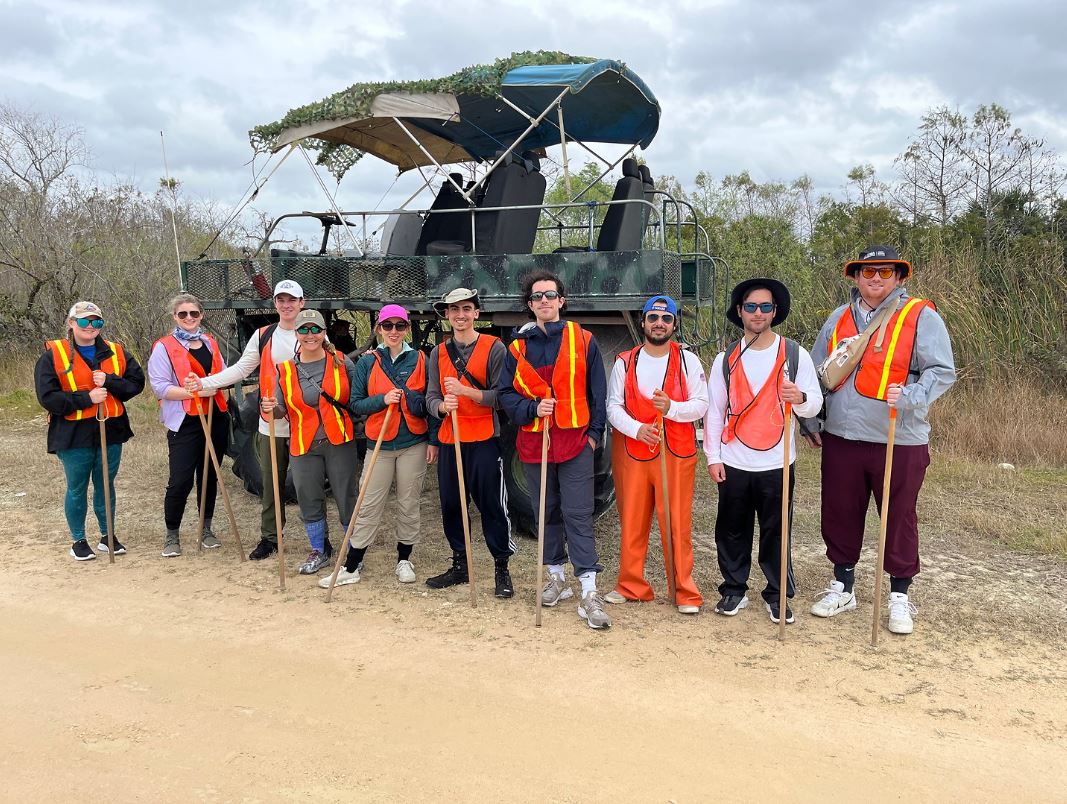
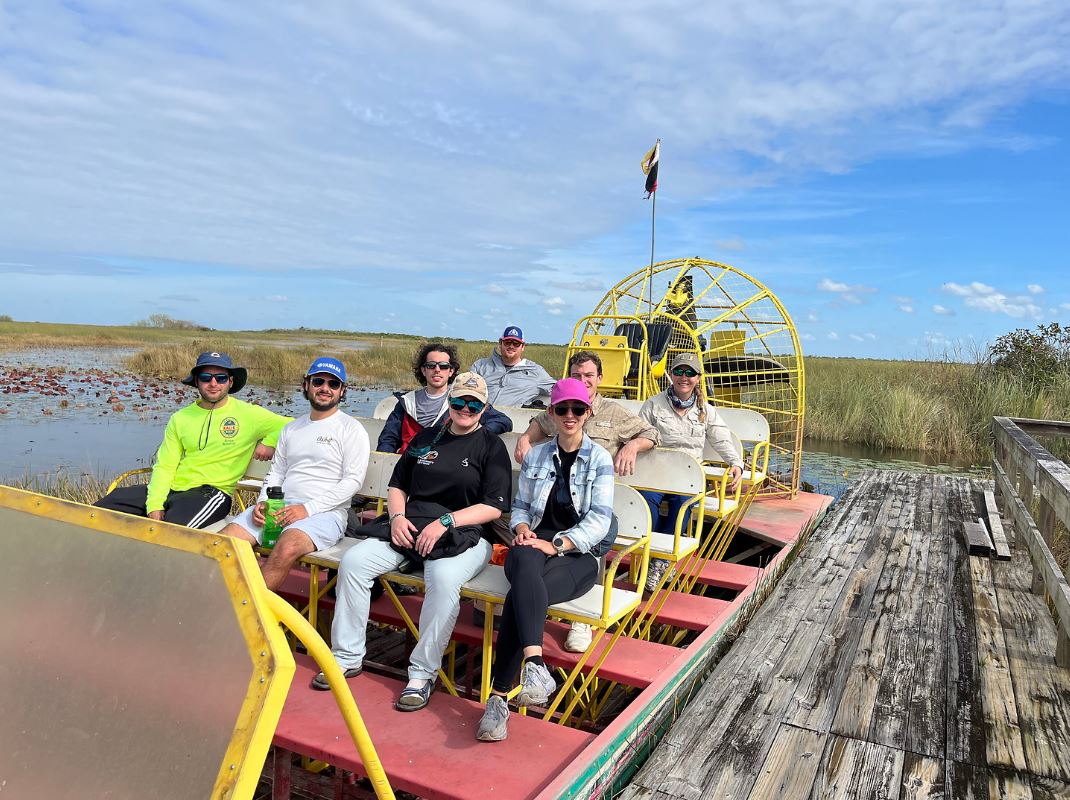
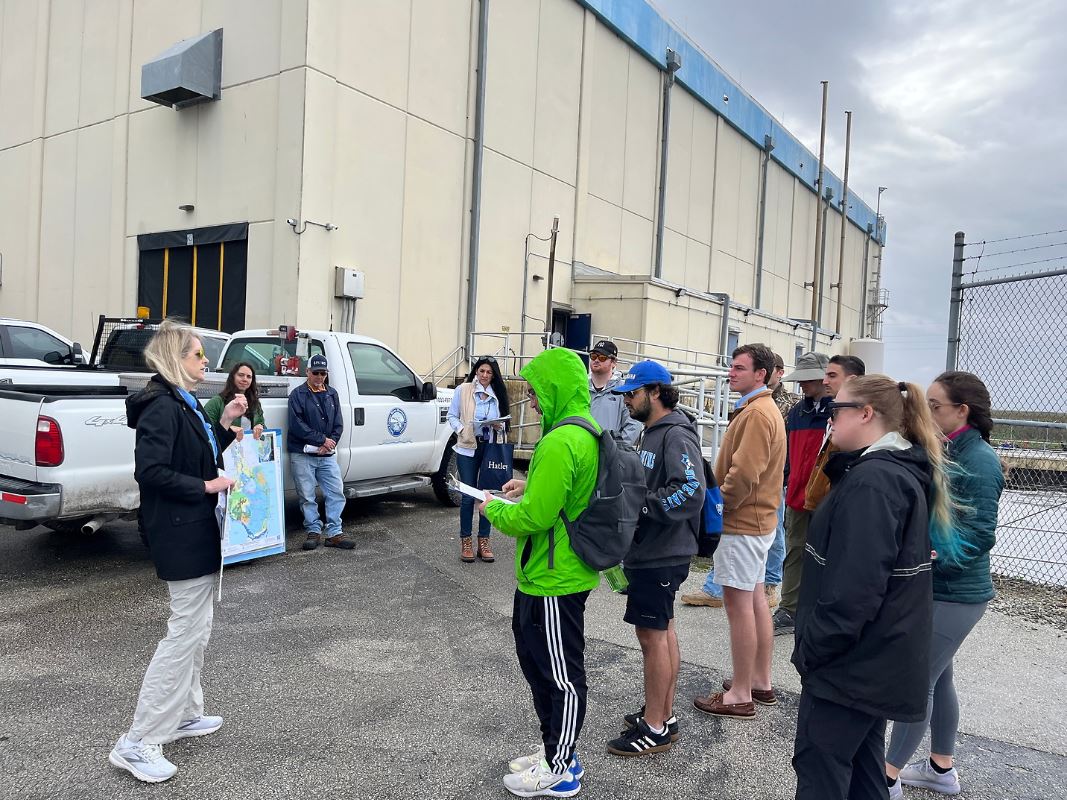
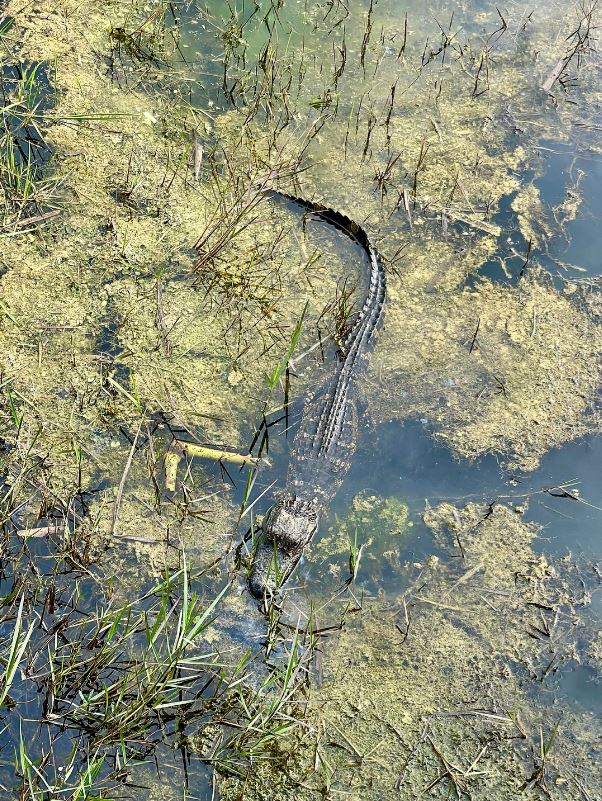
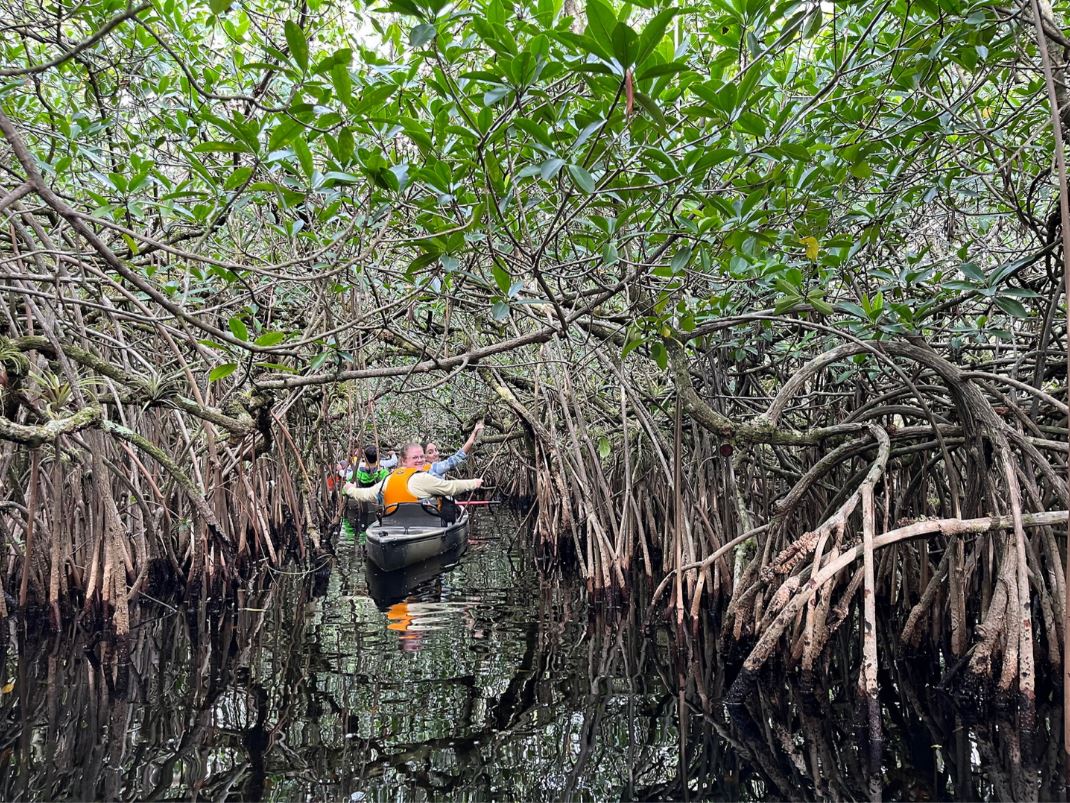
Where in the world can you attend law school and as part of your curriculum board an airboat to explore issues facing the Everglades, kayak through Big Cypress National Preserve to learn about endangered species, cruise the waters of Lake Okeechobee that’s vital to South Florida’s fresh water supply while hearing from the South Florida Water Management District leadership, meet with Elders from both the Seminole Tribe of Florida and the Miccosukee Tribe of Indians of Florida to learn about their environmental concerns or spend a day hiking (“mucking” about as it’s called) waste deep (ok, chest deep in my case!) in the brown waters of Big Cyprus while vividly experiencing the environment while you are literally submerged in it? Well, those are just some of the awe-inspiring experiences that Professor Kelly Cox’s Everglades Law course gave to seven of my classmates and me. You can read more about that course and my adventures in it in an article the University recently published that you’ll find here.

I have an endless list of people to thank for supporting me over the last three years but want to mention a couple who have played an extra special role and that begins with my dear family (mom Juli, dad Bob, and brother Owen). Thanks as well to the Abess’ Director, Dr. Kenny Broad, for his confidence in selecting me to join their program; to Jennifer Jacquet, Abess’ Graduate Program Director; and my PhD advisor, Dr. Catherine Macdonald for her never ending support and wisdom.

So what’s next?

The dual degree program through the Abess Center for Ecosystem Science and Policy is fairly unique in all of higher education and with my law school element complete I am excited to focus on my Ph.D. candidacy over the next three years. My thesis focuses on the viability of proposed manmade climate change solutions for South Florida, what their environmental and societal impacts are/might be as we continue to come up with different ways to protect our coastlines, and how we might utilize technologies others around the world have developed. You can learn more about the Dual Degree graduate program at the University of Miami in a recent article about me and some of my colleagues that you can find here.

In addition to my Ph.D. related academic work, I will be acting as a Teacher’s Assistant for Dr. Wanless’ Climate Change/Sea Level Rise and Landscape, Habitation, and Society classes this fall, preparing for the Florida Bar exam before sitting for it early next year, and working on a range of environmental projects through The Sink or Swim Project including some very big news later this year, while also serving on both the CLEO Institute and CAVU Boards.

But first, I am excited about the prospects of a nearly summer-long trip to 19 more of America’s National Parks and other special natural places all over our incredible country like the one I took in 2023. I will look forward to sharing the details about those adventures late this summer with you and, until then, hope you have a truly fantastic summer that allows you to also get out into our amazing natural environment.

Fortune Telling: What Will Ron Do?

HB 1645, a bill that would send Florida’s environmental and climate policy backwards decades in time, was passed by both the Florida House and Senate during the 2024 legislative session and has been sitting on Governor Ron DeSantis’s desk for a couple of weeks awaiting his decision to either enact the law or veto it. The pending law is horrible legislation that, if enacted, would:

  • Remove the phrases “global warming” and “climate change” from existing Florida laws,
  • Eliminate energy policy goals related to sustainable energy or global climate change from Florida laws,
  • Allow “resiliency facilities” to store and distribute all kinds of gas as a permitted land use in every county and municipality in Florida,
  • Discourage state and local governments from purchasing electric vehicles,
  • Reduce public and local government input on and review of natural gas (a lethal methane producing fossil fuel) pipeline projects under 100 miles in length,
  • Eliminate Florida’s clean renewable energy grant programs, and
  • Prohibit wind energy within a mile of the coast and effectively offshore.

Governor DeSantis has until May 15th to either allow HB 1645 to sign and enact the law, veto it, or take no action which actually ends up enacting it into Florida law regardless. In my view his decision will define his environmental legacy more than any other step he will take during his two terms in office and will impact Florida forever. That decision begs the question What Will Ron Do?

The world knows that South Florida sits at, sinks at, ground zero within the United States because of the warming of earth’s climate that is causing glaciers to melt and seas, therefore, to rise. It is truly not hyperbole to say that much of our region faces the very real risk of extinction from rising sea levels over the coming decades and that places like the Florida Keys, the Everglades, Miami, Miami Beach, and countless others may not survive from those rising seas.

Without an aggressive transition away from the polluting fossil fuels that are causing that warming, vast parts of South Florida will not survive. Fragile Florida is in a unique position to show leadership to our country and the world by becoming serious about addressing the foundational cause of our climate crisis, fossil fuel use. Yet, allowing HB 1645 to become law would, instead, do the exact opposite.

The Governor, a man educated at both Harvard and Yale, most certainly knows the truth – as I suspect do those legislators who supported and voted for HB 1645. And, yet, these same people seem to have placed the seductive short-term political support and massive money from Florida’s electrical utilities and fossil fuel firms that they crave along with a fictitious political narrative that panders to what some folks want to hear over taking sensible steps towards saving as much of this unique and special place we call Florida before it’s too late.

For this reason, the Governor’s decision is simply monumental. Allow it to automatically become law, sign it on or before the 15th, or veto it by that date.

Now the fact that he’s not yet announced his decision might, perhaps, offer hope to some that he will do the right thing and veto HB 1645. And I sure hope that is the case. Unfortunately, if I were a fortune teller or had a crystal ball, I’d predict that he will enact the law. I hope I am wrong but I’ve long worried that the Governor was a “pretend environmentalist” and the evidence that my concerns are correct grows with each passing year.

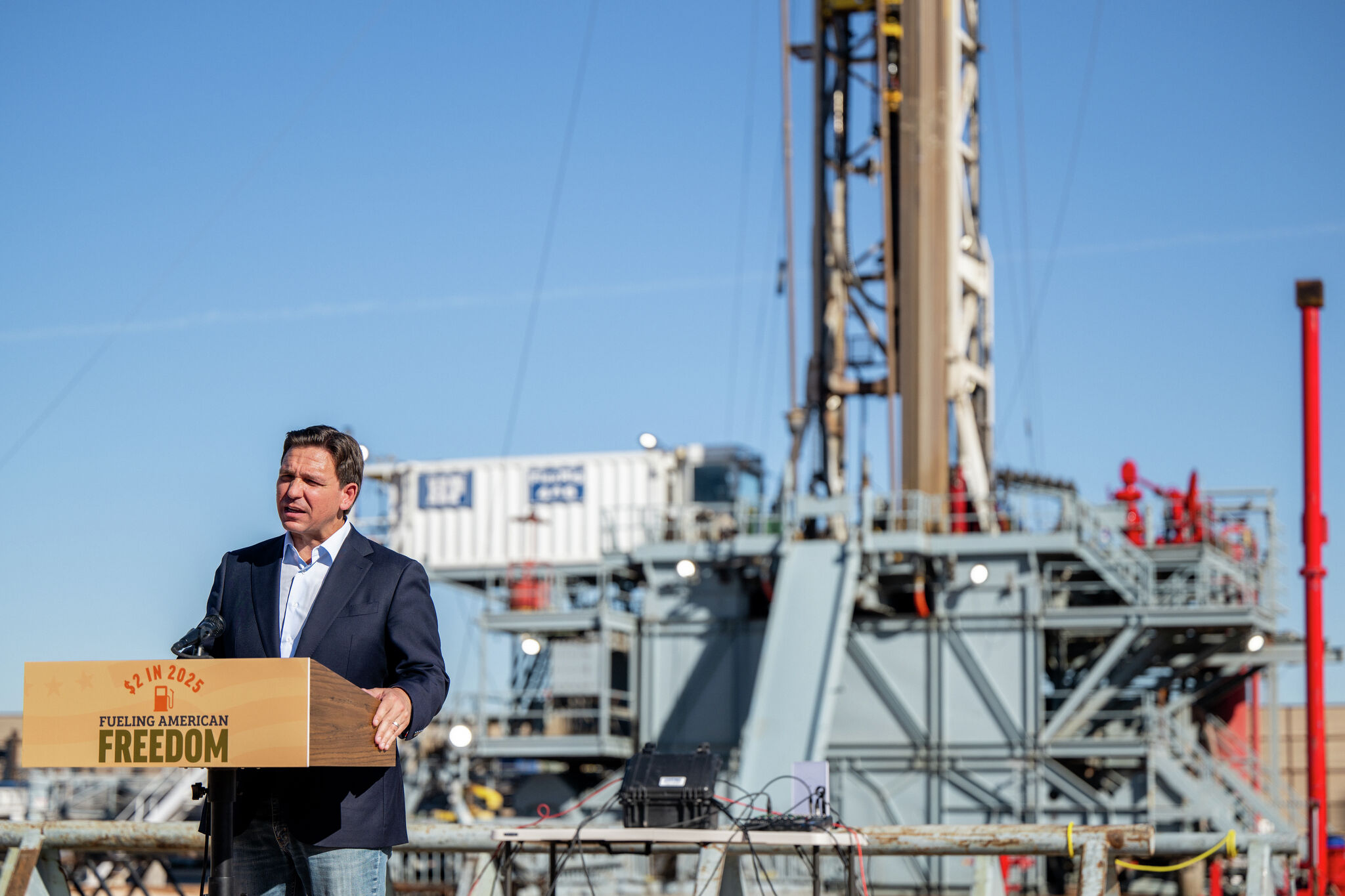
For example, the fact that he actually played a direct role in authoring the part of HB 1645, the section that essentially outlaws sustainable wind energy in Florida, is terribly telling. And if you need another example, just consider his own “energy policy” from his failed recent presidential campaign that touted plans to withdraw the United States from the UN’s global climate accord (the Paris Agreement), cease all US commitments to reduce greenhouse emissions to zero, increase the installation of petroleum pipelines, and allow the extraction of oil, gas, coal, uranium, and other minerals on federally protected lands. It is not a coincidence that he announced his plan on a campaign stop last year in Texas while standing in front of two huge oil dikes, a picture that made it clear that his priority is supporting the fossil fuel industry instead of the environment and the right of our citizens to a clean climate.

The clock is ticking, Governor DeSantis.

Your environmental legacy can largely be cemented with a veto of HB 1645 or destroyed by enacting a law that will make you, and Florida, the laughingstock of the country and world beyond.

Do you have the moral and ethical conviction to do the right thing by protecting Florida?

The choice over these important nine remaining days is yours and leads me to ask and wonder What Will Ron Do?

Solar Powering The Farm

Growing up part time in my family’s home on No Name Key I learned about the benefits of solar power from a young age. For many years, our home was fully off grid because No Name had no power, water, or sewer utilities. Our electricity came from a solar system that collected power from the sun and stored it in a series of batteries sitting side-by-side downstairs. We collected rainwater off our rooftop and stored it in a huge cistern that also served as our front porch. Sewage was stored in an on-site septic tank. That lifestyle led me to learn important lessons about conservation, sustainability, and the necessity of protecting (and respecting) our natural environment.

No Name, a remote 1,000-acre off grid island in the lower Florida Keys that’s home to about 40 solar powered homes, inspired me to want to power my own home with solar one day and with that in mind I am excited to share that that day recently arrived when the installation of my brand-new solar power system was completed. My home, something that I call “The Farm” because of its long history as an orchard, is a nearly 100-year-old farmhouse within Miami-Dade’s urban core whose yard is covered with mature mango, avocado, and banana trees. Energizing my home with solar power allows me significantly reduce my carbon footprint, eliminate most of my commercial power bill, and sell my excess energy (a process called net solar metering) back to my electrical utility (FP&L) to help reduce its carbon footprint.

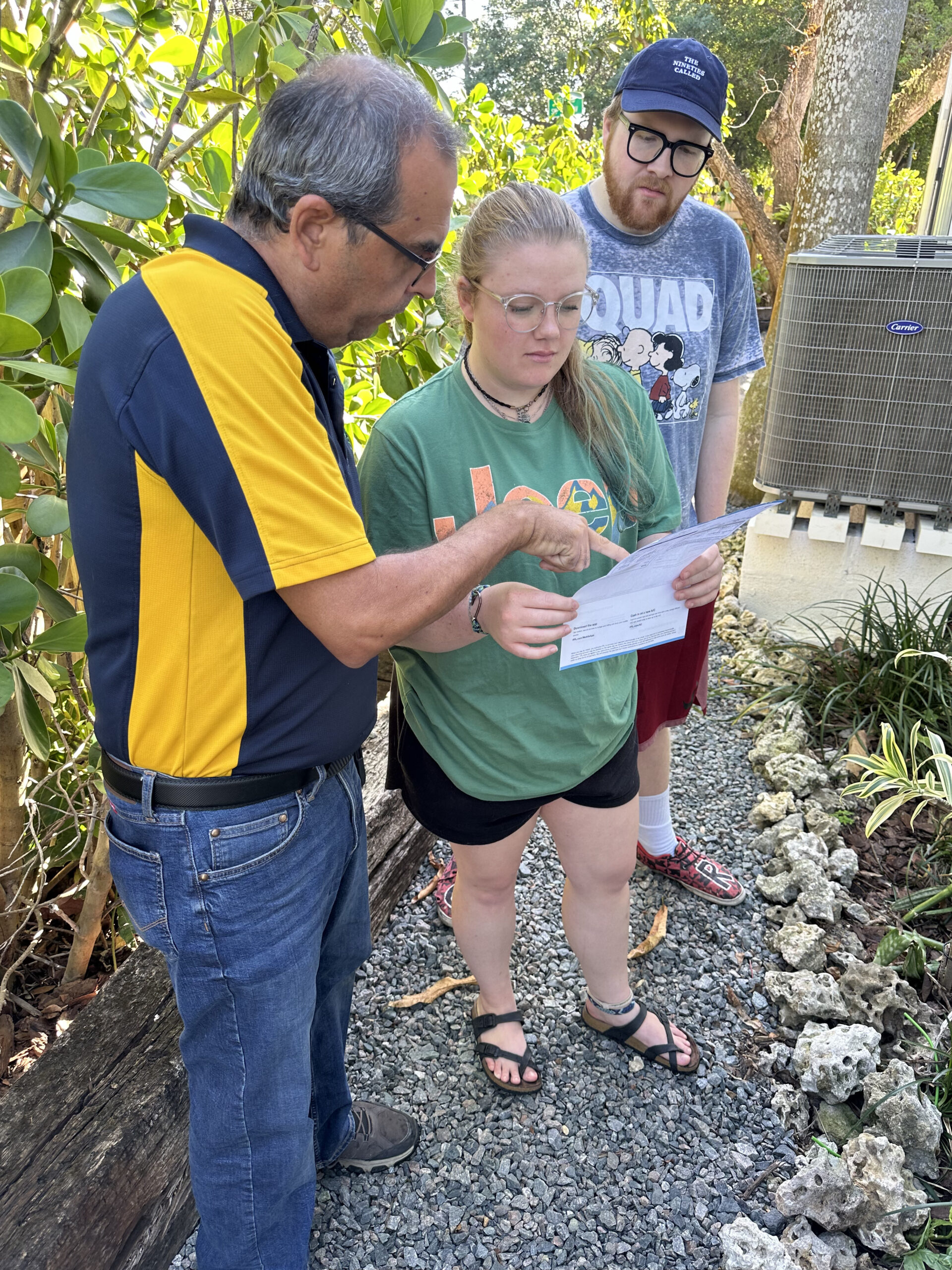
With those goals in mind, over the past year I’ve sought competitive quotations, met and negotiated with contractors, revised the system’s specifications, selected a contractor, obtained the required building permits, worked with my local power company to connect my solar system to their equipment, and, most recently, oversee the system’s installation before having the permits and required inspections finalized and closed to officially make The Farm a solar powered home.

I am going to share a few of the details related to my solar power journey, selections and reasoning with you but before I do that I’d like to make one thing clear: despite often being asked to promote one thing or another over the years, I’ve long avoided endorsing products or businesses for ethical reasons. My philosophy has not changed but in order to provide you insight into what I did, with whom, and why, I will be mentioning some of businesses and products that I selected. Your system, needs, and use will certainly differ from mine, so please take that into consideration.

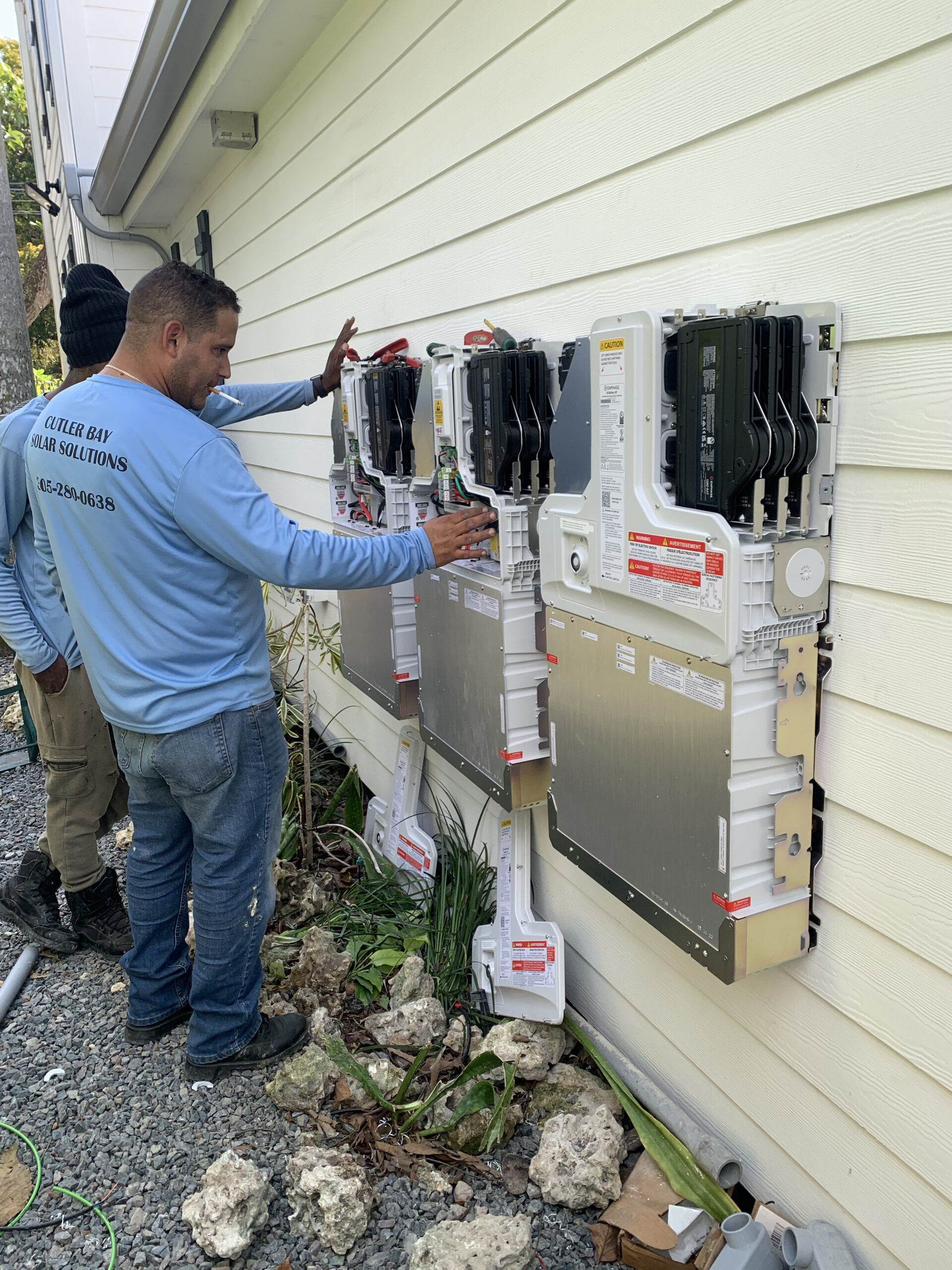
Ultimately,  I decided to engage my long-time friend and solar provider, Raul Vergara of Cutler Bay Solar Solutions, for my system design, equipment, and installation. Raul, Eduardo, and the team at Cutler Bay Solar helped me and my family on several projects over the years including the installation of a solar system at my middle/high school, my brother’s innovative solar car concept (The Apollo Project), and, more recently, the installation of a large-scale solar system at the University of Miami. While I know a lot about solar power after being around it for two decades, I am no expert, so it was important that I selected experts that I trusted. That’s an important suggestion for you, should you ever decide to install your own system.

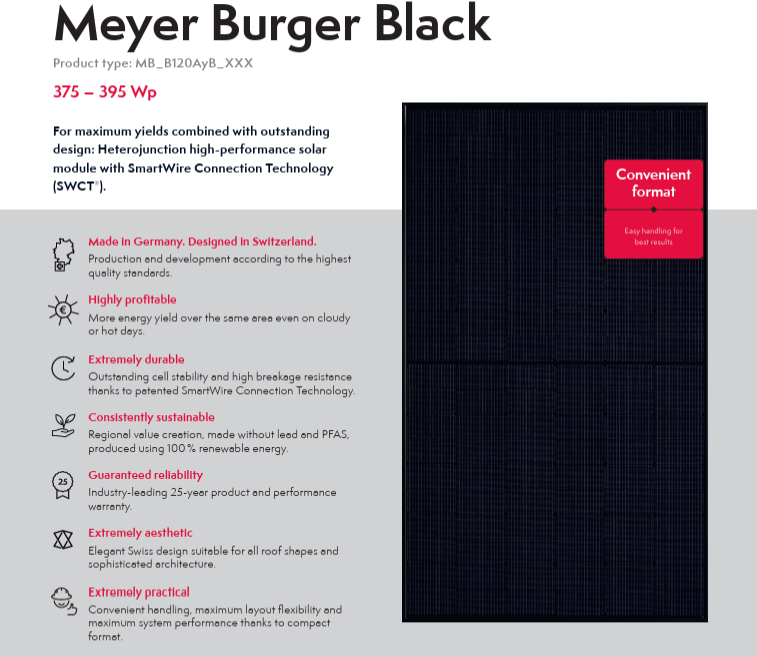
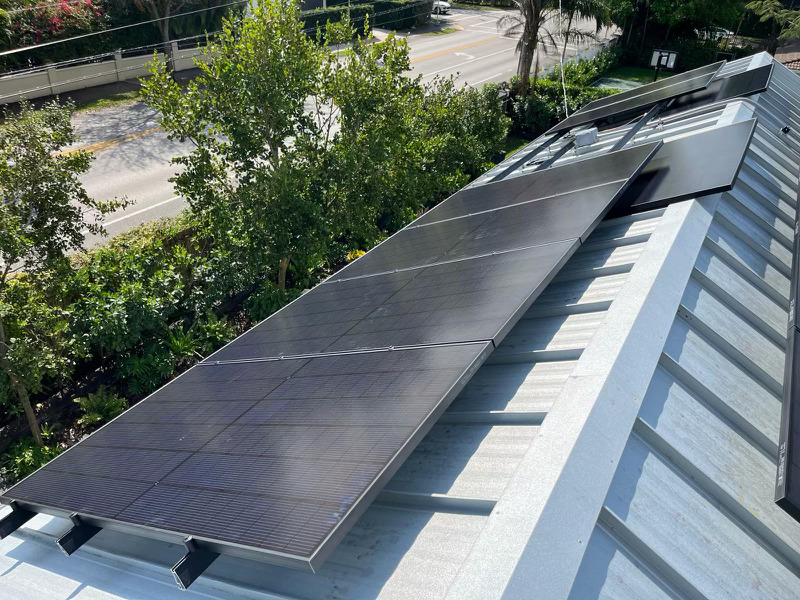
In my case we designed a 7,000 kilowatt hour (kWh), 18 panel system capable of fully powering my home including its appliances and central air conditioning. To collect the sun’s energy, I selected the highly regarded Meyer Burger Black panels, each capable of producing between 375-395 watts, and subject to a 25 year warranty. To illustrate some of the rapid advancements in solar power equipment in recent years, it’s interesting to note that our No Name home’s solar panels each produce about 250 watts versus my new ones at nearly 400 watts. Each panel is attached to my metal roof via an Ironridge XR Photovoltaic Panel Racking system.

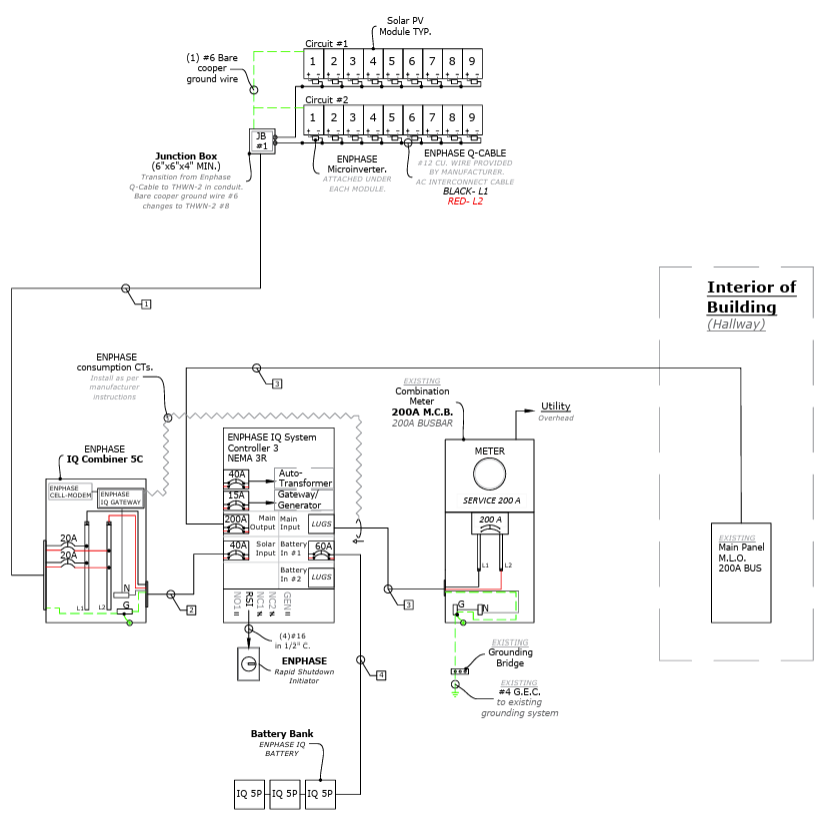
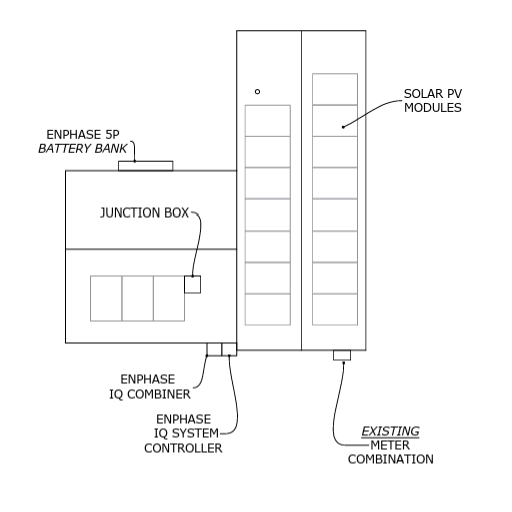
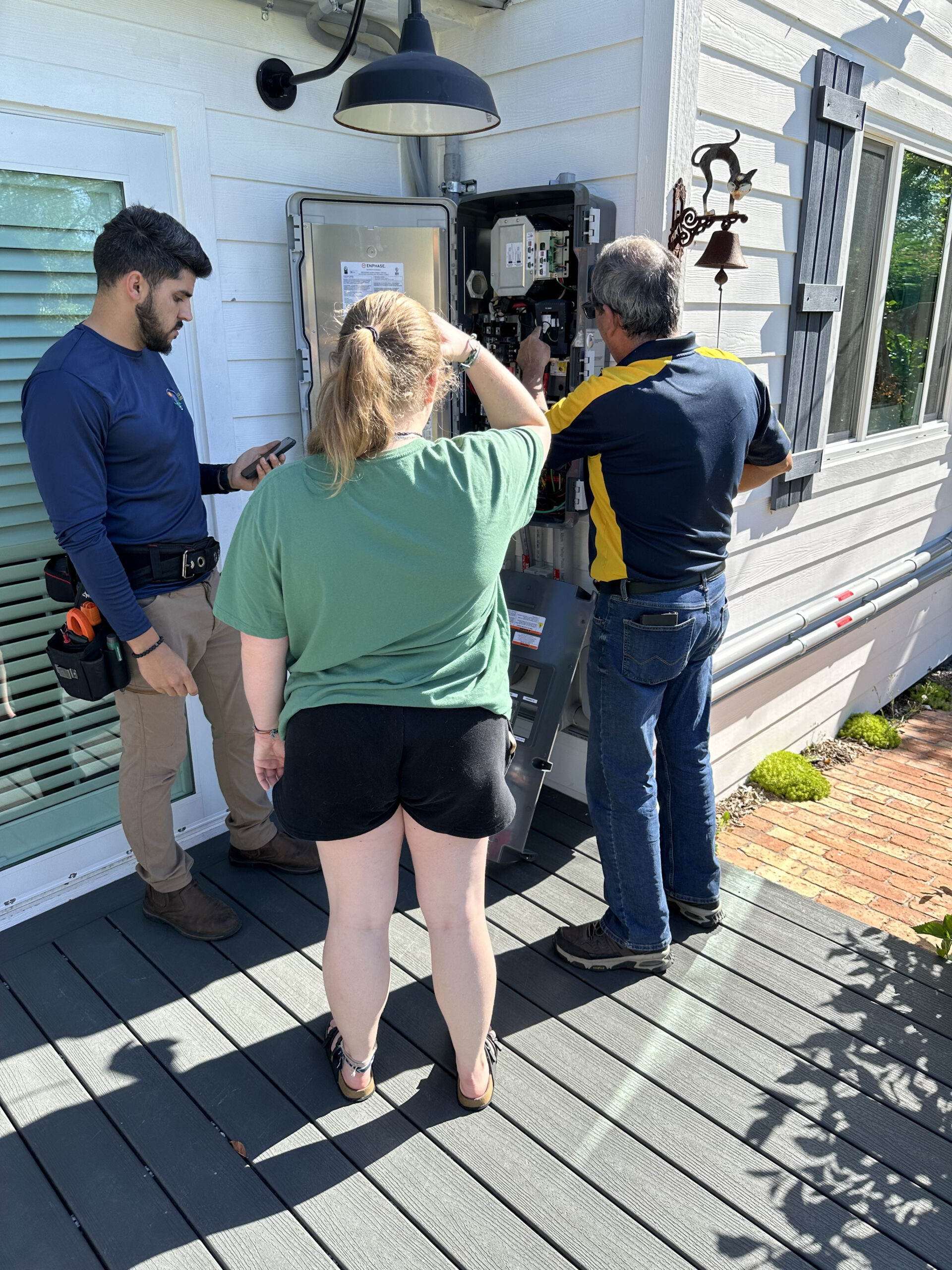
The control system (essentially the “brains” of the entire solar system) that I selected is the Enphase IQ System Controller 3, hardware that connects the power my solar panels generate to my home and back-up batteries while also effortlessly interacting with the electric utility to either pull supplemental power from it, should I occasionally need more energy, or sell my excess power back to FP&L when I produce more power than my home needs.

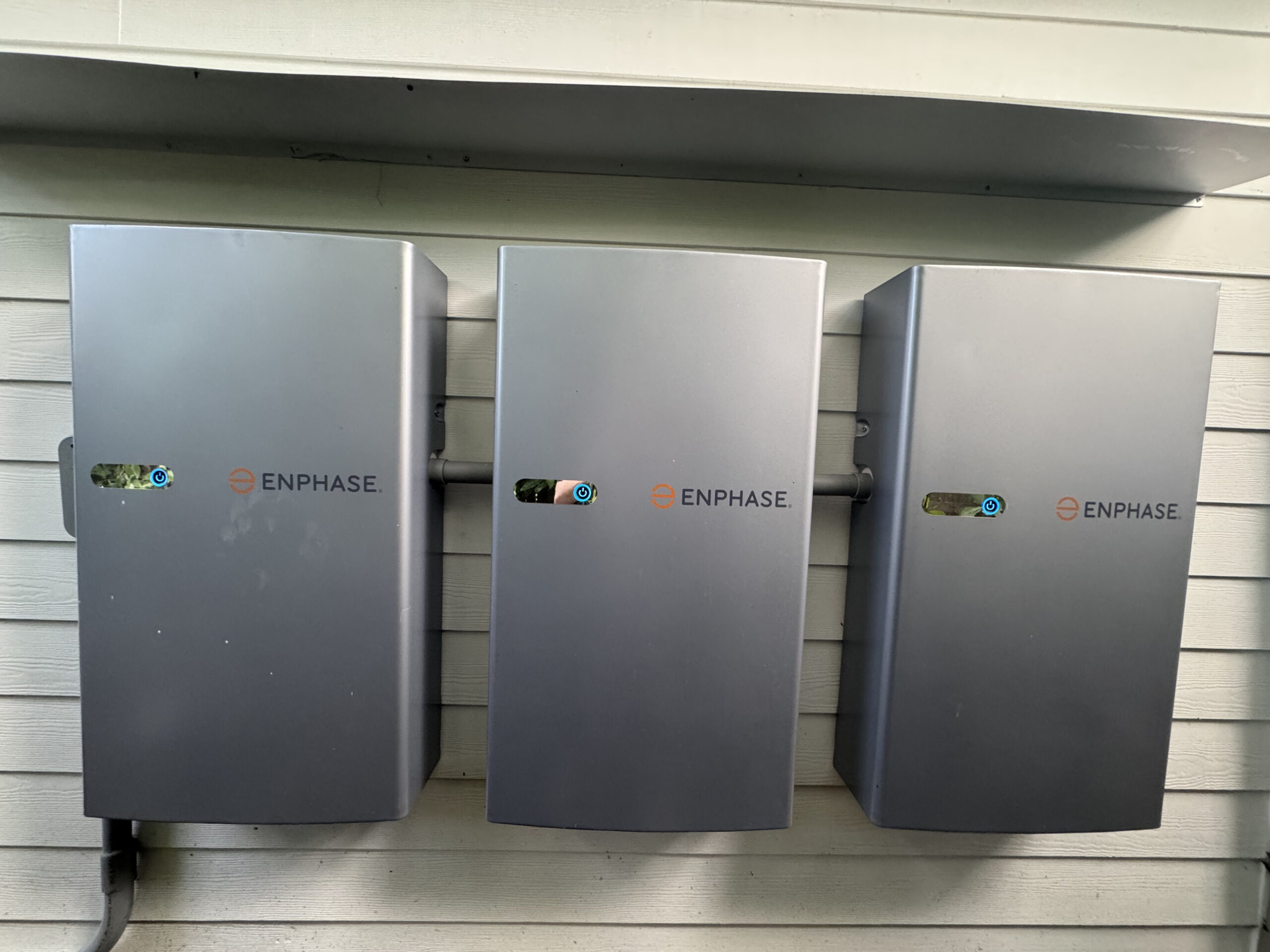
An important consideration for my new system was its back up batteries. I wanted a system that would power my home at night or on days without peak sunlight, so a robust battery system was essential. Since I live in hurricane-prone South Florida, a region notorious for losing power for weeks or more following large storms, I wanted my power system to act as a clean back-up generator. For these reasons I selected a string of three Enphase IQ 5P Batteries which are mounted on the exterior of my home, one next to another. Each battery is capable of storing about 5 kWhs of power (thus 15 kWhs in total) and enjoy a 10 year manufacturer’s warranty.

I am happy to share that everything from the installation, the conversion from the local utility to generating my own power, the impressive digital connectivity I now enjoy to my home’s new system, and all else went perfectly. My monthly electrical expenditure has also all but disappeared and, most importantly, so too has the pollution my home was previously responsible for as a result of me needing to buy power from an electrical utility that generates most of its power from the fossil fuels that are warming our planet. Yep, for so many reasons, solar powering The Farm here in the Sunshine State sure feels good and is most certainly a dream come true.

1 … 11 12 13 14 15 … 78